
Staying Healthy and Energised During Ramadan
February 16, 2026
Ramadan is a special time for many people. During this month, fasting happens from sunrise to sunset everyday. Most people eat two main meals:
– Suhoor – before sunrise
– Iftar – after sunset
With a little planning, you can keep feeling well, energised, and strong during Ramadan.
Fuel Your Body Well
Fasting can support your health and help build good habits. What you eat and drink between Iftar and Suhoor really matters. Try to:
– Drink plenty of water
– Choose foods that keep you full for longer
– Avoid too much sugar, salt, fried foods, and caffeine, which can make you thirsty or tired
Foods to Enjoy More Often
– Water and herbal teas
– Wholegrains like oats, multigrain roti/chapatti, quinoa, barley, or basmati rice
– Low-fat milk, yogurt, and cheese
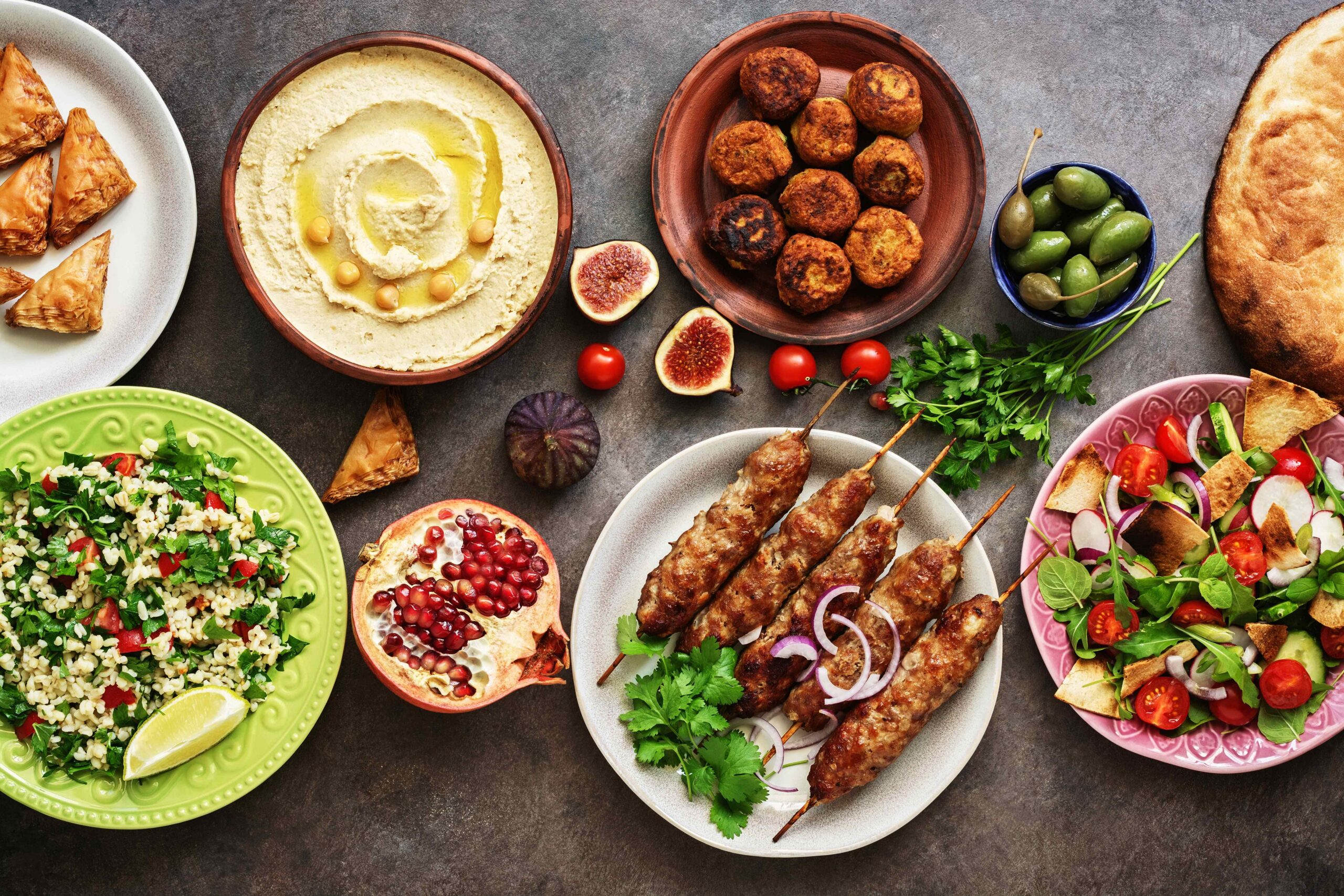
– Boiled or baked foods like vegetable samosas, falafel, dumplings with lean protein, or eggs
– Lean meats like chicken, fish, or lamb
– Tomato-based curries, lentil dal, chickpea curry, or vegetable stews (e.g., tagine)
– Fresh fruit or light desserts like fruit with yogurt or dates
Foods to Enjoy Sometimes
– Fried foods like samosas, pakoras, jalebi, or gulab jamun
– Sugary sweets like baklava, kheer, rasmalai, barfee, or kulfi
– Creamy or oily curries
– Fatty or processed meats
– Refined grains like white rice, naan, or pastries
– Sweet drinks and lots of caffeine
Remember: You don’t need to avoid your favourite foods completely – balance is key. Enjoy treats in moderation and pair them with healthy foods to stay energised during Ramadan.
Healthy Ideas for Suhoor (Before Sunrise)
Choose foods that give you energy and keep you full throughout the day:
– Oats with low-fat milk, fruit, and nuts
– Shakshuka with white beans, vegetables, and multigrain bread
– A smoothie with low-fat milk, yogurt, chia seeds, and fruit
– Hummus with wholegrain bread and leftover vegetables
– Vegetable frittata or omelette with spinach, tomatoes, low-fat cheese, and avocado
Healthy Ideas for Iftar (After Sunset)
Break your fast gently. Start with water and 2–3 dates, then enjoy a nourishing meal, such as:
– Lentil, chicken, or vegetable soup
– Salads like tabbouleh or fattoush with wholemeal pita bread
– Vegetable or chickpea biryani
– Stews with lots of vegetables
– Blend low-fat yogurt, cumin, mint, and a natural sweetener like honey for a refreshing lassi, or top baked apples with cinnamon and crushed nuts for a healthy dessert
Mindful Eating
– Eat slowly and stop when you feel full
– Turn off screens and enjoy your meal
– Share meals with family and friends
– Take time to enjoy the taste and smell of your food
Keep Moving
Staying active is still important:
– Go for a gentle walk after Iftar
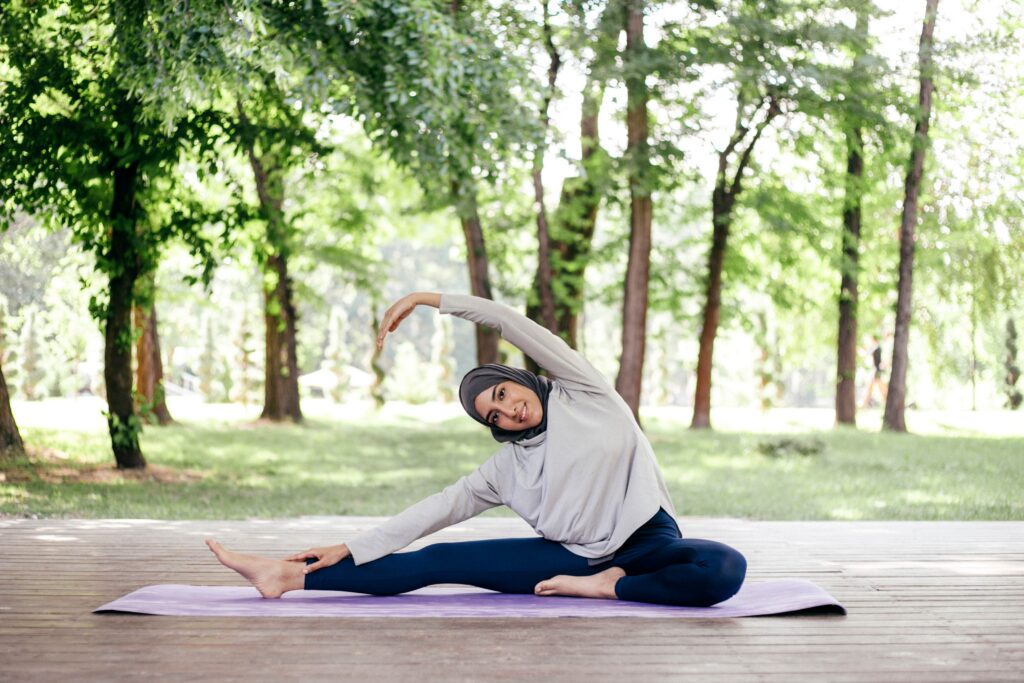
– Try stretching or yoga
– Do what feels right for your body
Even small amounts of movement help.
Talk to Your Doctor
If you take medication, or if you have diabetes or other health conditions, check with your doctor or pharmacist before Ramadan. They can help you fast safely.
Need More Support?
Check out this helpful video from Western Sydney Diabetes, for easy tips to stay healthy during Ramadan if you are living with diabetes.
You’re already making great choices – keep going and be kind to yourself this Ramadan.