
What Do Your Triglycerides and Fasting Blood Glucose Tell You?
November 16, 2026
Have you ever been told, “Your blood sugar is a little high” and “Your triglycerides are above normal”?
What does this mean?
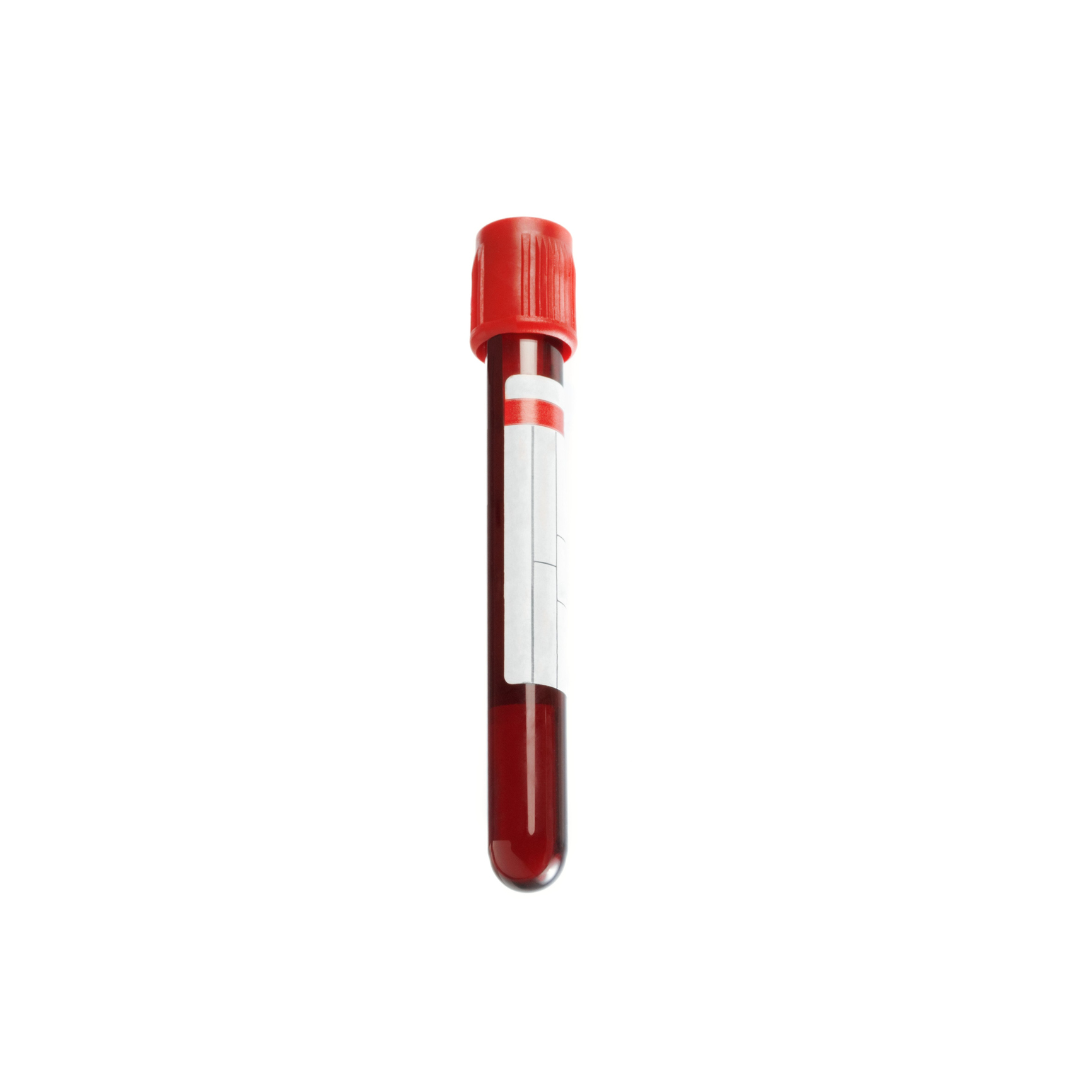
Two common blood tests, fasting blood sugar and triglycerides, can give us important clues about your health. They can help identify your risk of developing type 2 diabetes and heart disease.
What do these numbers mean?
Fasting blood glucose measures the amount of sugar in your blood after not eating overnight. A higher-than-normal result may mean your body is having trouble managing blood sugar.
Triglycerides are a type of fat found in your blood. Your body uses them for energy, but high levels can increase your risk of heart disease.
When both numbers are high, it may be a sign of insulin resistance, which increases your risk of developing type 2 diabetes.
What is happening inside your body?
Think of insulin as a key that helps sugar move from your blood into your body’s cells, where it is used for energy.
When you have insulin resistance, this key doesn’t work as well. Your body needs to produce more insulin to keep blood sugar under control. Over time, this may lead to extra fat building up in your liver, making it harder for your body to manage blood sugar.
The surprising part? This can happen even if you don’t look overweight. That’s why understanding your blood test results is important. Ask your GP or dietitian to explain what your numbers mean for you.
Want to learn more about your overnight blood sugar levels and what they mean for your health? Watch the video below to find out!
What can you do to improve your numbers?
The good news is that small changes to your daily habits can make a real difference.
- Build a balanced plate: Fill half your plate with vegetables, one-quarter with lean protein and one-quarter with wholegrain carbohydrates.
- Choose healthier fats: Include nuts, seeds, olive oil and fish more often.
- Cut back on added sugar: Reduce sugary drinks, sweets and frequent high-sugar snacks.
- Move after meals: Try a 10–15-minute walk after eating to help manage blood sugar.
- Avoid long periods of sitting: Find simple ways to move more throughout the day.
Small changes today, a healthier future tomorrow
Research shows that eating healthier foods, moving more and losing some weight, if needed, can lower your risk of developing type 2 diabetes.
Don’t wait until you feel unwell. Talk to your GP about your blood test results and what you can do to improve them.
Remember, your blood test numbers are more than just numbers. They can help you understand what’s happening inside your body and take steps towards better health.
Written by an Accredited Practising Dietitian at Western Sydney Diabetes.